

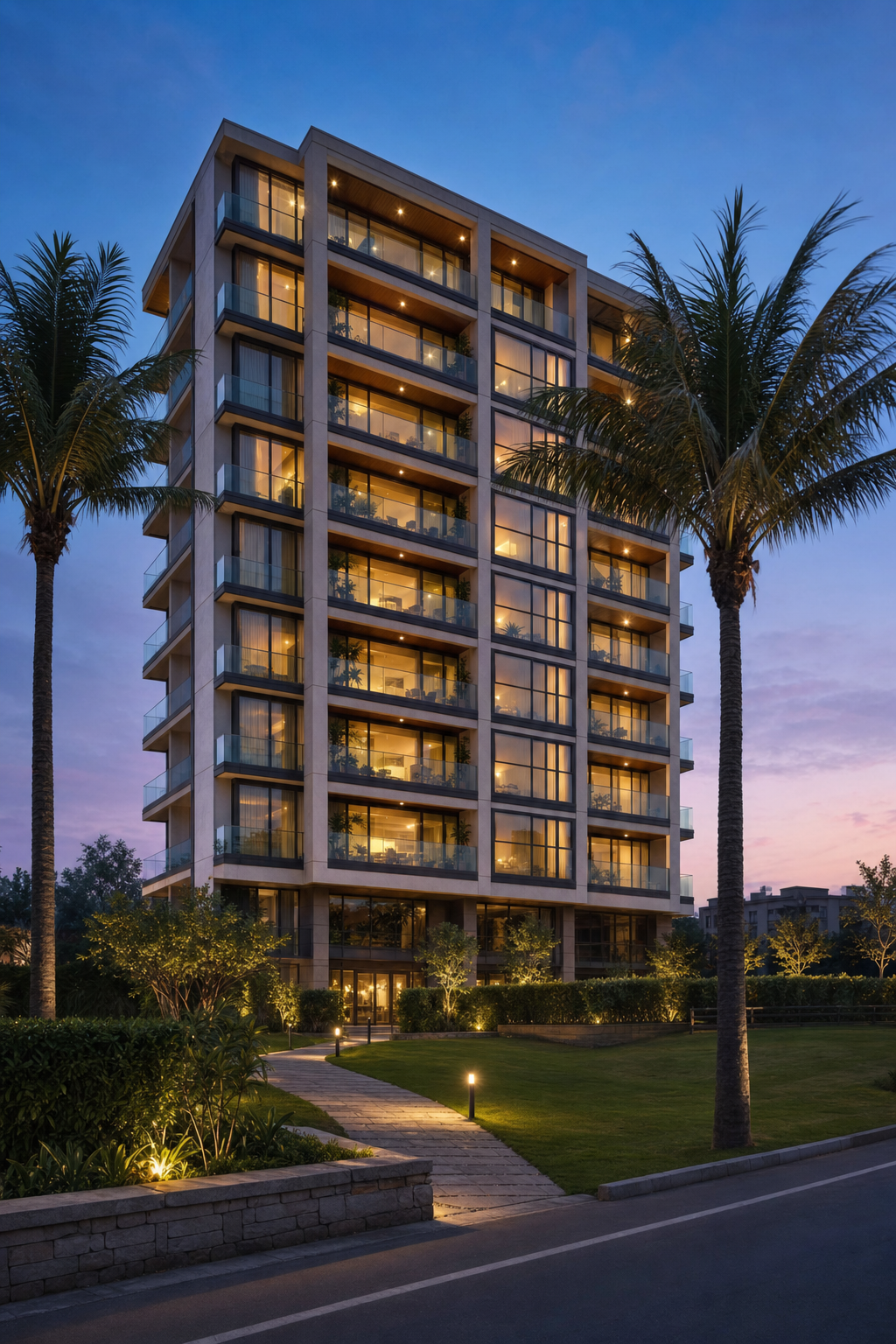
Why societies start considering redevelopment
Many older residential societies were built before lifts, modern parking layouts, backup systems, and larger carpet expectations became standard. Over time, the gap between what residents have and what the market now expects becomes too wide to ignore.
Redevelopment is usually not about chasing novelty. It is about replacing physical obsolescence, reducing long-term maintenance risk, and unlocking the actual value of land that may be underused in its current form.
Who it is really for
It is most relevant for societies where the building stock is dated, repairs are repetitive, member expectations have changed, or the land economics justify a better outcome than patchwork maintenance can provide.
The real question is not whether a society is old. It is whether members are living with an asset whose future value and safety depend on a bigger structural decision.
- Buildings with recurring repair or waterproofing costs
- Layouts that no longer match current living expectations
- Societies where members want clarity on corpus, area gain, and timelines
How to begin the right way
The first move should be independent feasibility, not a developer presentation. Members need a baseline on FSI, likely corpus range, expected carpet outcomes, and the legal or technical constraints of the plot before any negotiation begins.
Once the numbers are understood, the society can move into preparation mode: member alignment, document checks, consultant selection, and a structured roadmap for developer engagement.